Myopia, also known as short-sightedness, is a common vision condition where distant objects appear blurry while close vision remains clear. It occurs when the eye grows slightly too long or the focusing power of the eye is too strong, causing light to focus in front of the retina instead of directly on it.
Myopia often develops in school-aged children and can progress as the eyes continue to grow.
While it cannot be reversed, myopia can be easily corrected with glasses or contact lenses. In children, there are also effective myopia management treatments available that aim to slow its progression and support long-term eye health.
Controlling Myopia progression in children
Our practice is fully equipped to assess and manage children with progressing short-sightedness (myopia). We use advanced diagnostic technology, including axial length measurements (to track eye growth), corneal topography, and automated refraction, to closely monitor changes in vision over time.
Regular reviews—often from around 8 years of age through to late teenage years—allow us to detect changes early and implement strategies that may help slow the progression of myopia and support long-term eye health.
Our optometrists will take the time to discuss all suitable myopia management options with you and your child, and develop an individualised plan based on their needs and risk factors.
While no treatment can completely stop myopia from progressing, evidence-based treatments can significantly slow its progression in many children, helping to reduce the risk of higher levels of short-sightedness later in life.
What treatments are available?
MiYOSMART spectacle lenses are specially designed lenses that both correct vision and help slow the progression of myopia in children. Using D.I.M.S. (Defocus Incorporated Multiple Segments) technology, the lenses gently manage how light is focused in the eye to reduce the signals that drive eye growth. At the same time, the central zone provides clear, sharp vision for daily activities such as reading, schoolwork, and sport.
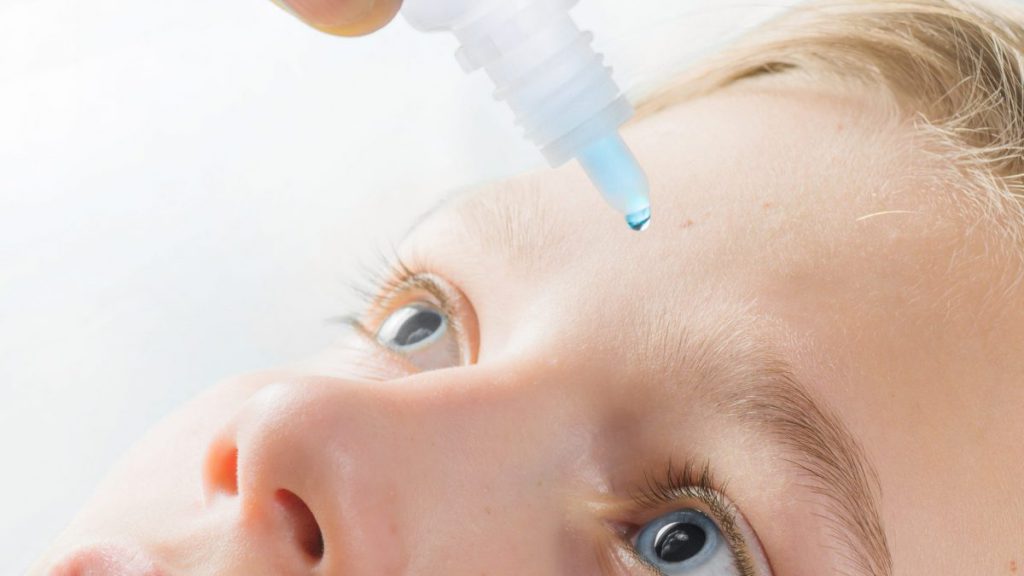
Atropine eye drops are a clinically proven option to help slow the progression of short-sightedness in children. Used nightly, atropine therapy may reduce how quickly a child’s prescription changes over time and is usually prescribed in conjunction with other myopia management treatments.
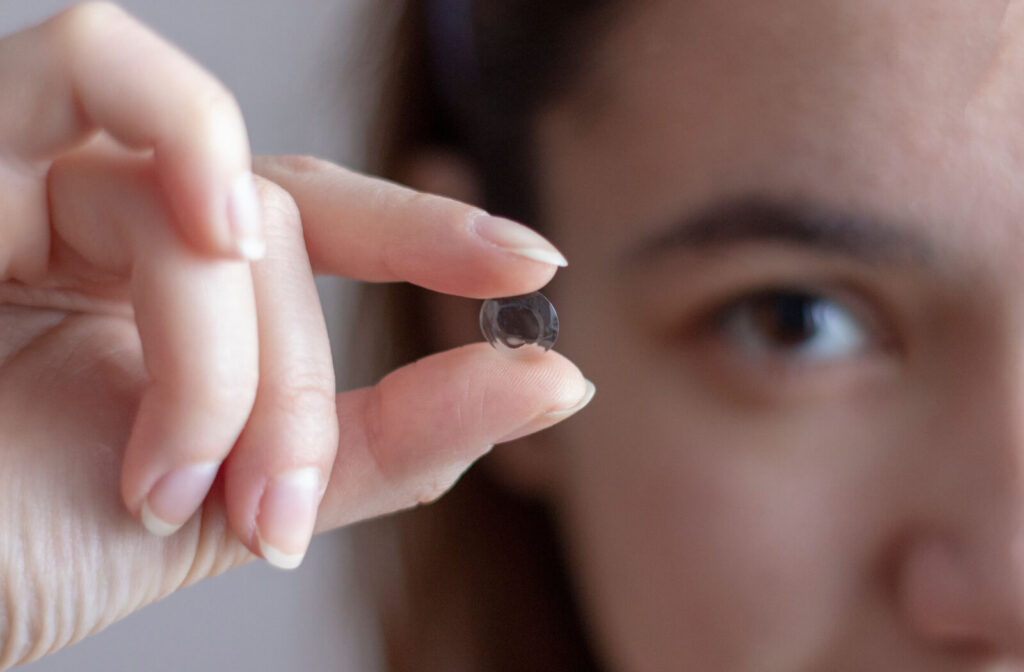
Orthokeratology or Ortho-K lenses are custom-designed overnight contact lenses that gently reshape the front surface of the eye while you sleep. In the morning, you remove the lenses and enjoy clear daytime vision without glasses or daytime contact lenses.
By reshaping your cornea, light can focus properly on the retina resulting in natural, clear vision. Orthok is non-surgical and completely reversible.
There are a range of specially designed disposable contact lenses available that not only provide clear vision, but can also help slow the progression of myopia in children. While wearing these lenses, your child can enjoy clear daytime vision, greater freedom from glasses, and the benefits of active myopia management.